
The International Youth Day
THE INTERNATIONAL YOUTH DAY
Date: 12 August 2026
Venue: NGEC Main Boardroom
Theme: Different Contexts, Common Aspirations – Framing Youth Aspirations in Governance
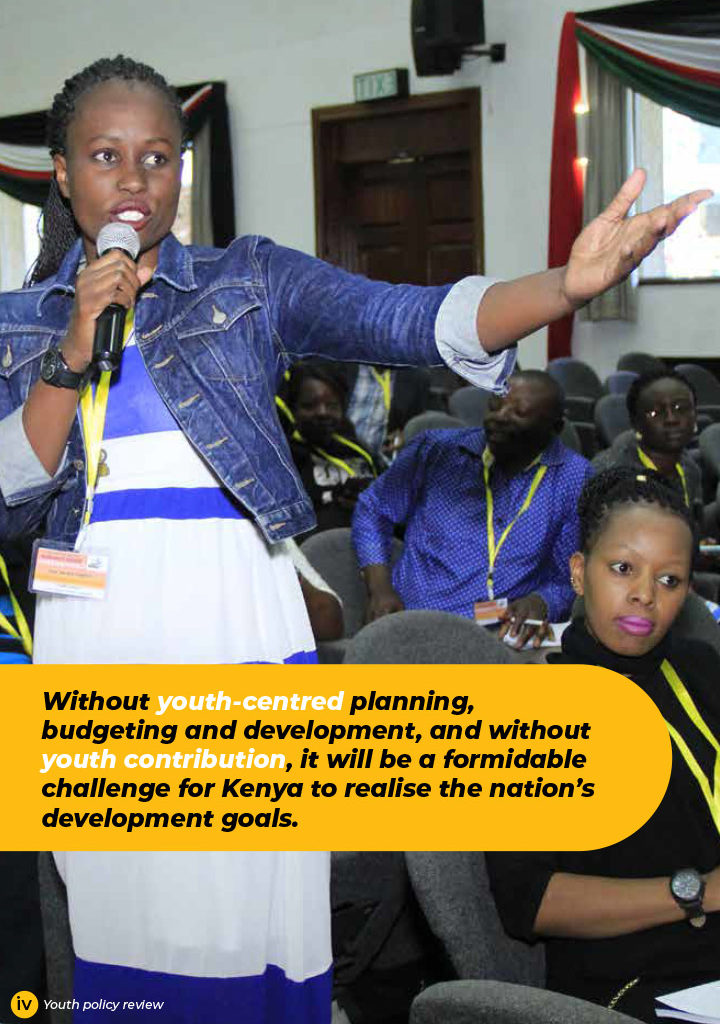
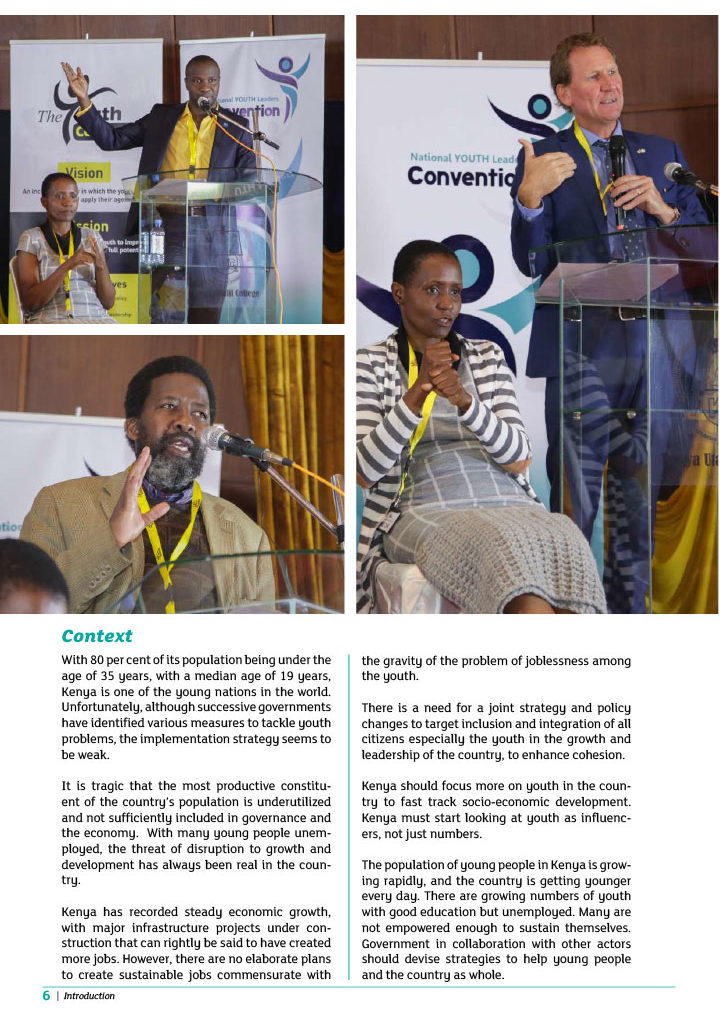
The International Youth Day Commemoration 2026 was held on 12 August 2026 at the National Gender and Equality Commission (NGEC) Main Boardroom. The event brought together young people, youth organizations, government representatives and development partners to discuss the role of youth in governance and ways of creating systems that respond to young people’s aspirations. The discussions emphasized that although young people come from different backgrounds and face different challenges, they share common aspirations for inclusion, meaningful participation, equal opportunities and responsive leadership.
Emerging Issues Affecting Youth
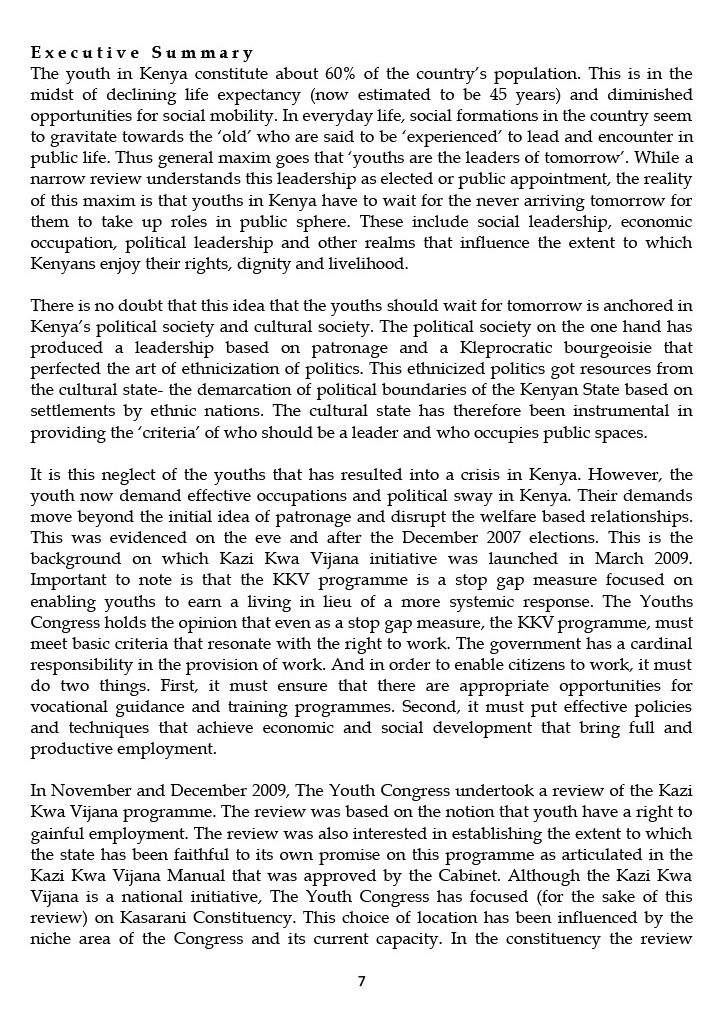
Several emerging issues affecting young people were highlighted during the sessions. One major issue was the difficult transition from education to employment, with unemployment and marginalization limiting opportunities for many young people. Other challenges included lack of opportunities, limited access to leaders and government administration, tokenism and inadequate inclusion of youth in decision-making processes. Young people also face victimization, lack of trust, individualism, resistance to youth participation and limited parental and community guidance.
The meeting further identified challenges such as in-fighting among youth groups, inadequate representation, and the tendency of institutions to involve young people without giving them meaningful decision-making power. There was also concern that young people may know their rights but lack sufficient knowledge of the Constitution and governance structures. These challenges can prevent youth from effectively influencing policies and decisions that affect their lives.
Proposed Ways of Addressing the Issues
Participants proposed active listening and meaningful engagement with young people as important solutions. Leaders and institutions should create safe spaces where youth can freely express their views and ensure that their contributions are considered during both policy formulation and implementation. Young people’s autonomy should also be respected, while youth representatives should be given meaningful positions rather than token roles.
There is also a need to strengthen youth political bargaining power, civic education and awareness of constitutional rights. Government institutions should implement policies that create employment and entrepreneurship opportunities and ensure equitable access to resources. Stronger partnerships between government, youth organizations and other stakeholders can also improve youth participation in governance. In addition, mentorship, parental and community support should be strengthened to help young people transition successfully from education into the workplace and leadership.
Organizations and Institutions Present
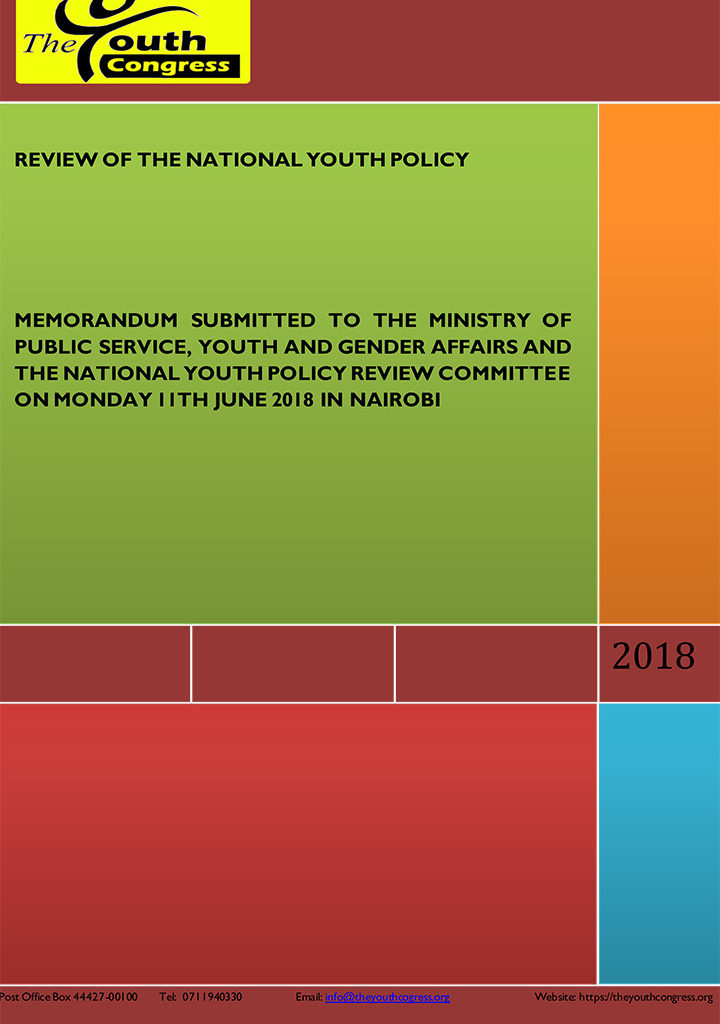
The organizations and institutions represented included the National Gender and Equality Commission (NGEC), Hanns Seidel Foundation, National Youth Council, Kenya Young Parliamentary Association, Youth with Disability CBO, Youth Congress, and the State Department for Youth Affairs and Creative Economy. The Kenyan Alliance was also represented, as reflected in the participants’ notes.

Conclusion
The commemoration demonstrated that young people are not merely future leaders but important participants in present-day governance. Addressing unemployment, marginalization, tokenism, limited representation and barriers to participation requires institutions to listen to youth, include them meaningfully and provide opportunities for leadership and decision-making. A collaborative approach between government, youth organizations and young people will therefore be essential in building a governance system that responds to the aspirations and needs of Kenya’s youth.
Philomena Njoroge